SAFETY,
ENGINEERED.
DESIGNED FOR SAFETY. TESTED BEYOND STANDARDS.
At WaveCel, our mission is to create helmets that are engineered and designed for safety. Our helmets are rigorously tested beyond standards to ensure exceptional performance and protection for your head. The development and testing of WaveCel technology has been funded in part by the U.S. National Institute of Health (NIH). WaveCel earned the highest rating (five stars) from Virginia Tech University’s helmet testing facility.
NIH FUNDED
The development and testing of WaveCel technology was funded in part by the U.S. National Institute of Health (NIH).* *NS07473

VIRGINIA TECH
WaveCel earned the highest rating (five stars) from Virginia Tech University’s helmet testing facility.

WaveCel Technology
In simple terms, WaveCel behaves like a network of hundreds of interconnected shock absorbers that connect your head and the helmet’s outer shell. The technology distributes the impact energy through its network of cells and absorbs impact forces like the crumple zone of a car. It diverts rotational forces by flexing and gliding.
The WaveCel system is exceptional at mitigating rotational forces that cause brain injury in real-world crashes. It protects your brain through three mechanisms: flexing, crumpling, and gliding. The WaveCel matrix distributes and diffuses the crash energy by flexing, crumpling, and gliding, regardless of the direction of impact. The continuous crumple zone seamlessly distributes the crash force from the site of impact throughout the matrix of cells to absorb energy and dampen the impact to the head.
WAVECEL PERFORMANCE
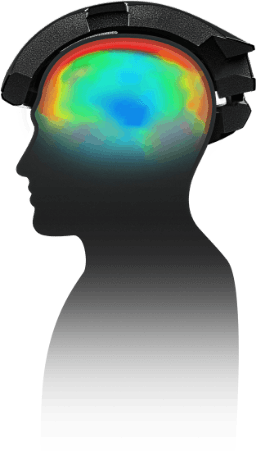
STANDARD HELMET
Large area of strain greater than 15%
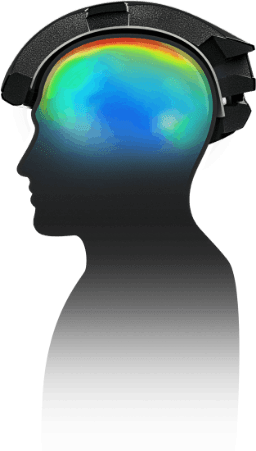
SLIP LINER
Smaller area of strain greater than 15%
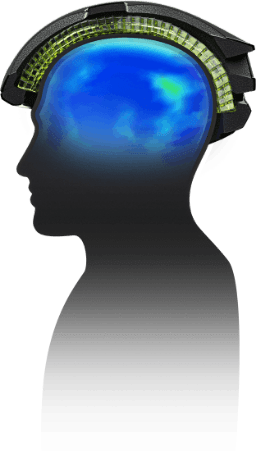
WAVECEL
No Area’s of strain greater than 15%

WaveCel helmets have been tested to have no areas of strain greater than 15%, whereas standard helmets and slip liners have large and smaller areas of strain greater than 15%, respectively. The WaveCel matrix is designed to react in three dimensions, just like you do. It distributes and diffuses the crash energy by flexing, crumpling, and gliding, regardless of the direction of impact.
-Accident Analysis and Prevention 124 (2019) 58-65 DOWNLOAD FILE (PDF)
WaveCel Science
Our journey into concussion research started almost 20 years ago. After understanding how vulnerable the brain is toward rotational forces, we embarked on re-inventing helmets that best absorb rotational forces during impact. The result of this 20-year effort is the development of WaveCel technology to provide exceptional protection from rotational forces and concussions.
WaveCel technology has been rigorously tested by universities and research labs in the U.S. and abroad. We believe in the scientific method and technological advancements require creative ideas, rigorous testing, and a relentless pursuit of the best solution. WaveCel is born after over 20 years of pursuing this philosophy. We will not stop chasing the safest.
The results of our testing have been remarkable. WaveCel helmets have been shown to absorb up to 73% more rotational force than standard helmets and reduce the risk of sustaining a concussion by up to 98% compared to standard helmets. Rotational acceleration is the rapid spin of the head caused by an impact, and higher rotational accelerations carry a greater risk of causing brain injury.
We invite you to download our peer-reviewed publications to learn more about the science behind WaveCel technology. We are committed to continuing our research to discover how to best prevent and treat injuries. Our journey will continue as long as there is a chance to prevent more brain injuries. Download peer-reviewed publications to learn more.SEE ALL PUBLICATIONS
THE RESULTS
MEASURING WAVECEL PERFORMANCE
ROTATIONAL ACCELERATION
Rotational acceleration is the rapid spin of the head caused by an impact. Higher rotational accelerations carry a greater risk of causing brain injury. *See Accident Analysis and Prevention 124 (2019)
UP TO 73% MORE ABSORPTION OF ROTATIONAL FORCE THAN A STANDARD HELMET.*
CONCUSSION RISK
The risk of sustaining a concussion was predicted based on the amount of rotational acceleration recorded during impact. *See Accident Analysis and Prevention 124 (2019)
UP TO 98% LESS CONCUSSION RISK THAN THE STANDARD HELMET.*
PUBLICATIONS
Download peer-reviewed publications to learn more.SEE ALL PUBLICATIONS
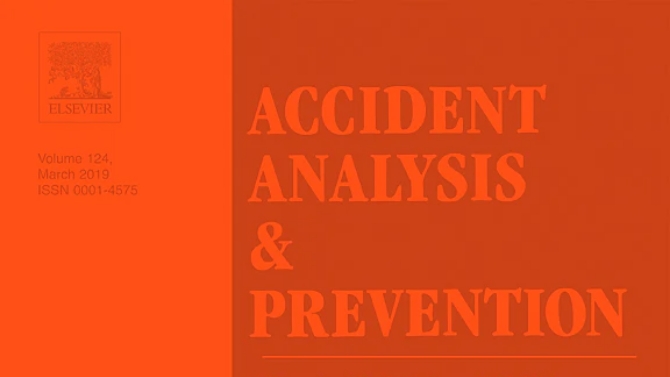
ACCIDENT ANALYSIS
Accident Analysis and Prevention 124 (2019) 58-65 DOWNLOAD FILE (PDF)